

There Is No Healing
Without Justice
Activism is not an adjunct to our work, it is woven through it. We understand mental health as inseparable from the social, political and historical conditions that shape our lives, and we support individuals and communities to respond to harm and advocate for justice, care and systemic change.
Our Activism
Alongside our clinical and educational work, we engage in advocacy and collective organising to challenge the structural conditions that shape mental health and wellbeing for Global Majority communities. Through research, community conversations, events and partnerships with grassroots organisations, we contribute to wider movements for justice, health equity, and systemic change.
Our activism is grounded in the belief that mental health cannot be separated from the social, political and historical forces that shape people’s lives.
Justice In Therapy
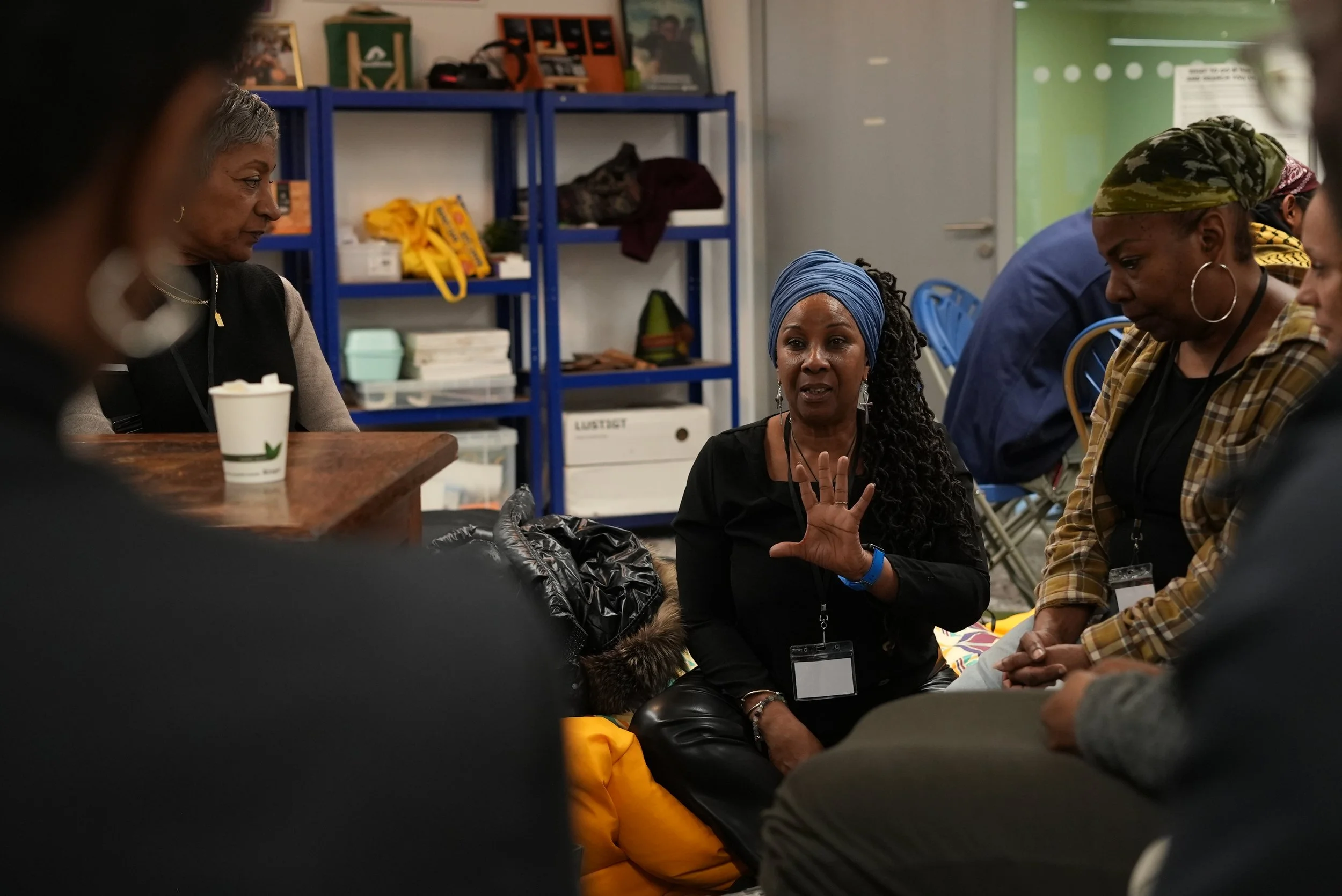
Justice in Therapy began as a response to the deep exhaustion, rage, and unmet need experienced by therapists working at the margins of a profession that often fails to confront systemic oppression. What emerged was a series of participatory conferences rooted in honesty and courage where practitioners could reimagine therapy as a politicised, relational, and liberatory practice. This movement calls for a shift across practice, training, and institutions: centring marginalised voices, naming power and harm, and building communities of care and accountability. Justice in therapy is not a fixed model, but an ongoing, collective commitment to transforming mental health professions so that healing, dignity, and liberation are possible for all.
You can read our 2025 report here
Justice In Therapy: Decolonising the Curriculum
Hosted in partnership and sponsored by the University of East London School of Childhood and Social Care.
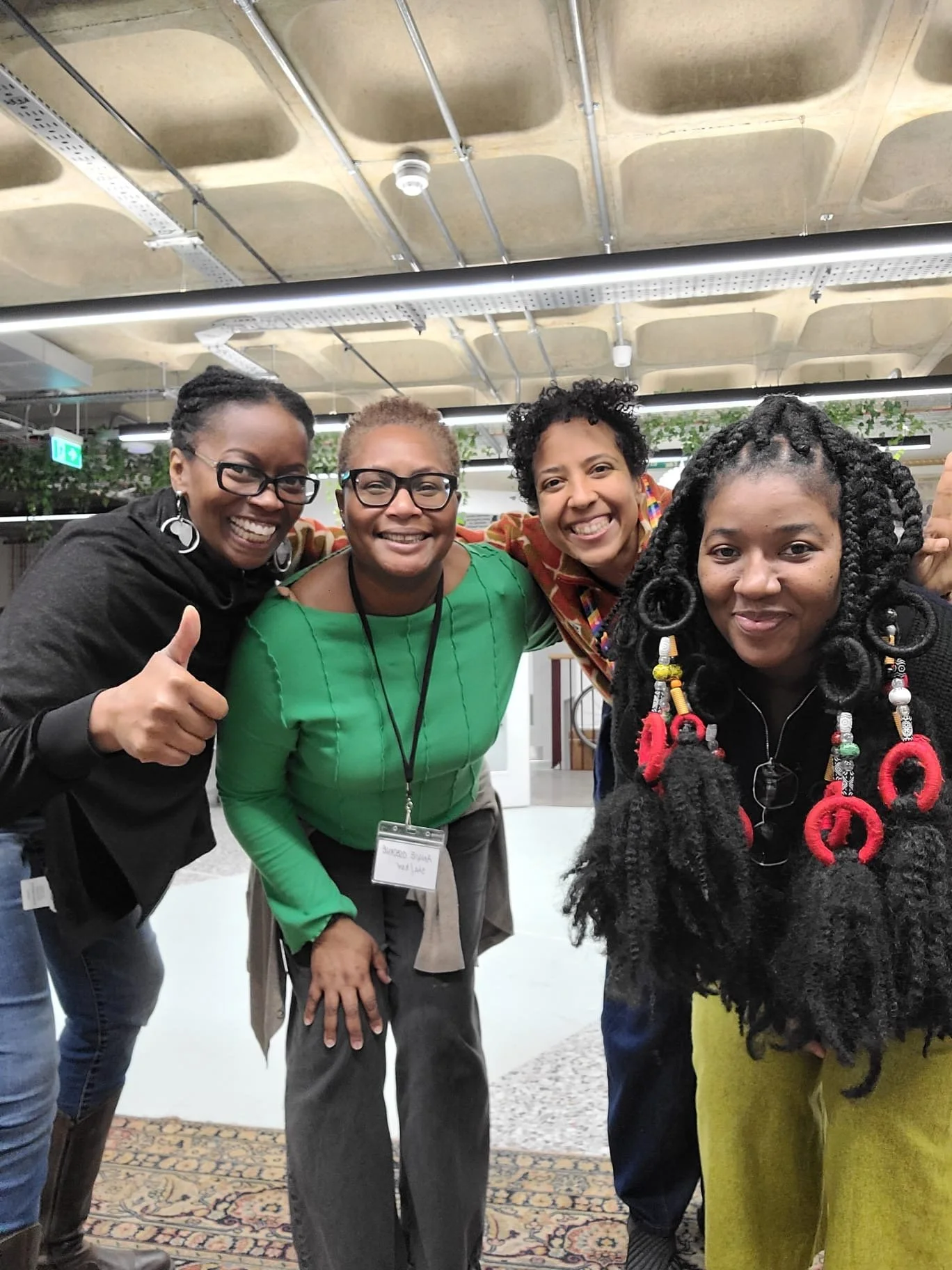
For too long, training has been shaped by Eurocentric theories, colonial histories and narrow ideas about what counts as knowledge, expertise and healing. Whilst many courses have made commitments to diversity and inclusion, fundamental questions remain about whose voices are centred, whose knowledge is legitimised and what future we are preparing practitioners to create. Our fifth conference invited therapists, educators, researchers, activists and community practitioners to explore how training can move beyond representation towards meaningful structural change. With presentations, panel discussions and practical workshops, contributors examined decoloniality, anti-oppressive practice, Black and Indigenous psychologies, neuroaffirmative practice, abolitionist approaches, disability justice, curriculum transformation and the hidden curriculum within education.